
The DECG Workflow Diagnostics Roadmap
Every engagement begins with a structured diagnostic investigation designed to uncover hidden workflow inefficiencies, operational bottlenecks, and process breakdowns. See the full DECG process →
Rather than recommending solutions immediately, DECG focuses first on identifying how the workflow actually operates. The result is a fact-based understanding of operational constraints and a clear path toward measurable efficiency improvements.
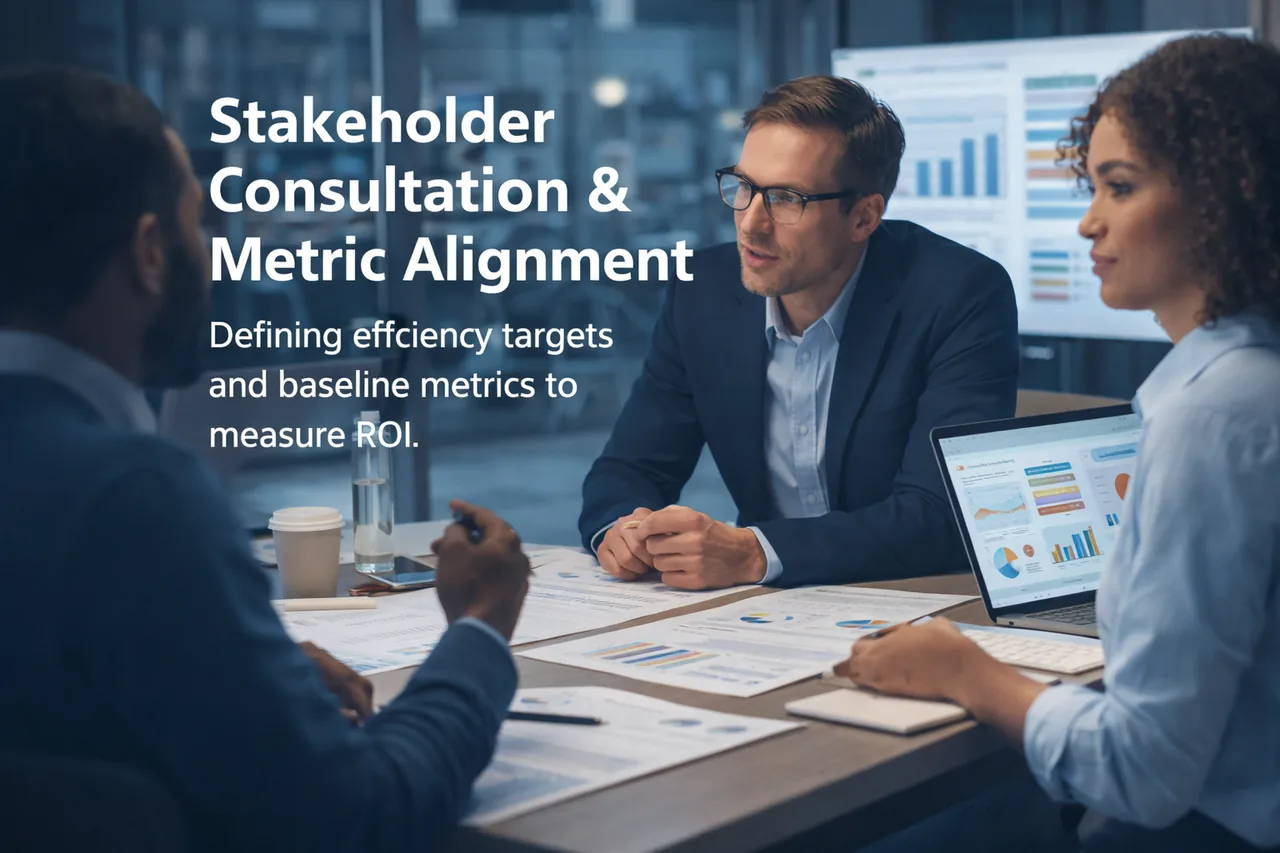
1. Operational Baseline & Stakeholder Alignment
Every investigation begins by clarifying operational goals, constraints, and the metrics that define success. This establishes the baseline for how the workflow currently performs and where inefficiencies may exist.
Understanding the current state ensures that any improvements later recommended are tied to measurable operational impact rather than assumptions about the process.
2. Diagnostic Investigation
DECG conducts a structured investigation to determine whether meaningful workflow issues exist and where operational friction may be occurring. Learn more about the DECG diagnostic process →
This typically includes targeted interviews, workflow walkthroughs, process observations, and selective data review to understand how work actually moves through the organization.
The goal is not to design solutions at this stage, but to identify the real operational constraints affecting performance.
3. Workflow Analysis & Findings
Information gathered during the investigation is analyzed to identify bottlenecks, handoff friction, rework loops, and structural inefficiencies within the workflow.
Organizations receive a documented Diagnostic Findings Report that explains:
- How the workflow currently operates
- What operational areas were investigated
- Where inefficiencies or process breakdowns were identified
- The operational impact those issues create
This report provides leadership with clear operational insight before deciding whether further improvement work is justified.
4. The Efficiency Blueprint
If meaningful opportunities for improvement exist, DECG can develop a decision-ready operational blueprint that prioritizes the highest-impact improvements.
- Quantified Findings: Inefficiencies tied to measurable time or financial impact.
- Prioritized Recommendations: Ranked improvements across people, process, and tools.
- Impact Forecast: Estimated efficiency gains.
- Phased Implementation Path: A logical sequence for executing improvements.
- Technology Landscape: Vendor-neutral systems that could support the optimized workflow.
The blueprint is designed so internal teams can execute improvements with clarity and confidence.
5. Implementation Advisory (Optional)
As organizations begin implementing improvements, operational questions often arise. Systems may not behave exactly as expected, or teams may discover additional constraints during execution.
DECG provides advisory support through pre-purchased consulting hour blocks. Organizations can access guidance as needed during implementation without committing to a long-term consulting engagement.
This allows leadership to adjust the improvement roadmap, validate vendor proposals, and resolve workflow questions as changes are executed.
Ready to take a closer look at your workflow?
Many operational problems appear to be staffing issues when the real constraint exists somewhere in the workflow. A short discovery conversation can usually reveal where that bottleneck is forming.