Owner / GM
You feel drag, but every department swears they’re “swamped.” We convert that feeling into facts.
- Where time is really going
- Which fixes matter most
- What to stop doing
This workflow diagnostic works across manufacturing, distribution, hospitality, food service, repair, retail, and professional services because the problems are usually the same: unclear handoffs, too many touches, weak rules, and invisible queues.
You feel drag, but every department swears they’re “swamped.” We convert that feeling into facts.
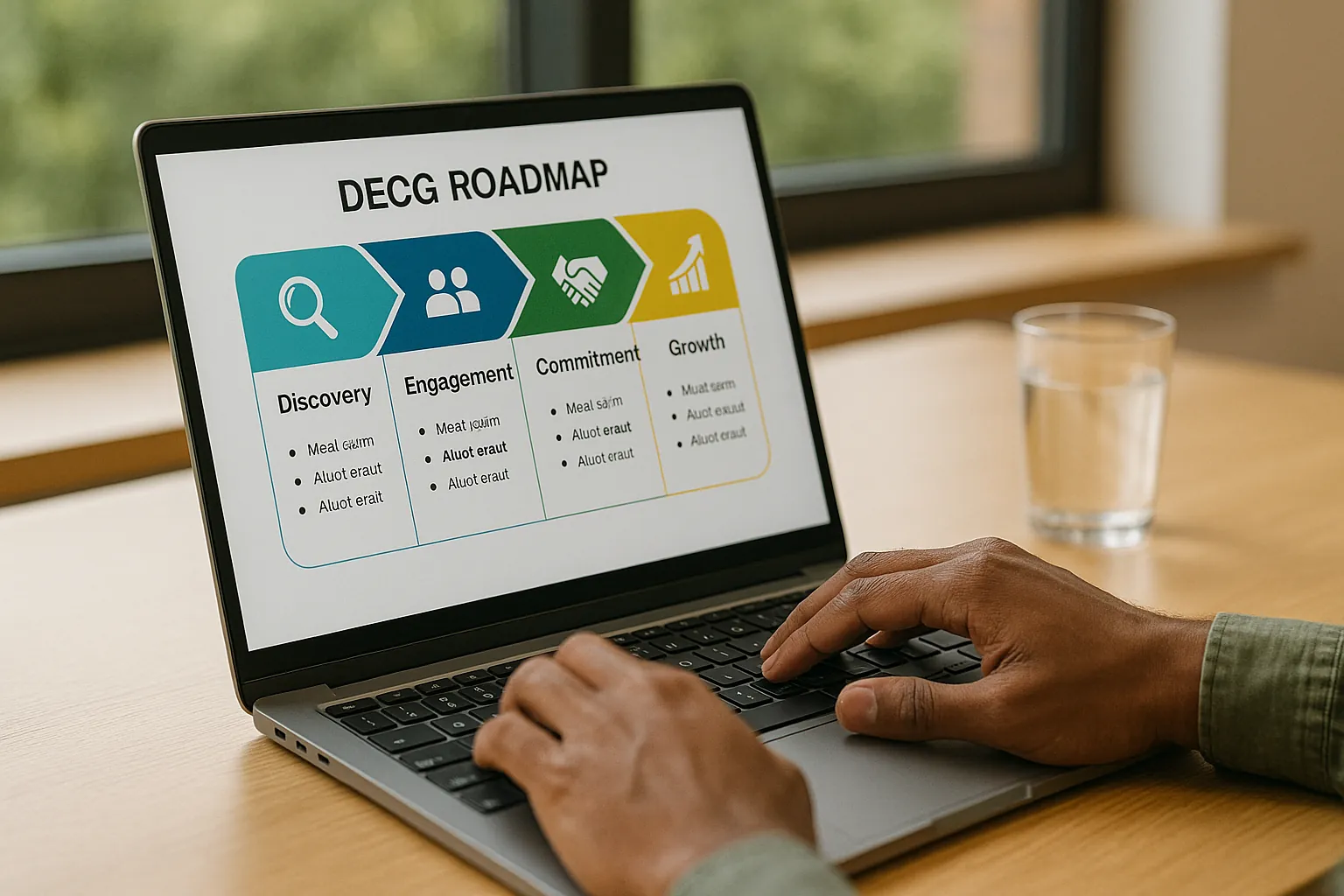
You need a roadmap that’s practical: clear owners, clear sequence, clear impact.
You’re the one putting out fires. We reduce the number of matches in the building.
Most “process problems” are really system-of-work problems: roles, rules, data, and handoffs. The workflow diagnostic focuses there.
The workflow diagnostic stays lightweight and fast. You’ll never hear the phrase “phase zero” unless someone is joking.
Pick one process (or one value stream) that matters. Define start/end points and success criteria.
Document steps, roles, tools, handoffs, approvals, and exception paths. The “real” process, not the brochure.
Quantify touch count, wait time, rework, and error drivers. Convert pain into hours and dollars.
Prioritize improvements by impact/effort. Provide owners, sequencing, and quick wins.
Practical outputs from the workflow diagnostic you can use immediately, plus optional support if you want help putting the roadmap into motion.
A clear map of the workflow (including exceptions) with bottlenecks, handoffs, and root causes highlighted.
Rework, delays, and extra touches translated into time, cost, and capacity impact.
Quick wins, medium lifts, and longer-term improvements with owners, sequencing, and timelines.
Where rules are unclear or tribal, we outline what should be standardized and documented.
Simple KPI definitions and trigger ideas so the process doesn’t drift back into chaos.
A concise summary for leadership: what we found, what it costs, what to do next.
These answers explain how engagements are structured, how we approach workflow diagnostics, and what you can expect as we identify and improve operational inefficiencies.
Sometimes, yes, but only when it’s truly the simplest way to remove friction or reduce risk. A lot of problems are process issues wearing a “we need software” costume.
When software is part of the answer, we will define requirements first, compare options objectively, and keep you in control of the decision. That approach is outlined on Neutrality and baked into the Roadmap.
Most diagnostics are designed to be focused and efficient.
Depending on the scope and complexity of the workflow, a typical engagement may take a few weeks to gather information, analyze the process, and present findings.
The goal is to deliver clear insights quickly without creating long consulting cycles.
Before starting a workflow diagnostic, we typically review any existing documentation that explains how the process is supposed to work and how it is supported by your systems.
This may include standard operating procedures (SOPs), process documentation, system workflows, and any diagrams that describe how work moves through the organization.
We also review the reports, dashboards, or metrics the team uses to monitor the process. These often reveal where delays, rework, or bottlenecks are already visible.
Finally, we speak with the people who perform or manage the work to understand where friction appears in daily operations.
The combination of documentation, system context, reporting, and real-world experience provides the baseline needed to begin mapping the workflow accurately.
A workflow bottleneck occurs when a specific step in a process restricts the overall speed of the workflow. Even if other parts of the process operate efficiently, work cannot move faster than the slowest or most constrained step.
Bottlenecks often form when too many tasks depend on a single decision point, system, or individual. This creates a buildup of work waiting to move forward, which increases delays and reduces overall throughput.
Common causes include approval requirements that concentrate decisions with a small number of people, reliance on specialized knowledge held by one individual, overloaded or outdated systems, and unclear ownership of decisions or next steps.
Over time, bottlenecks can slow the entire workflow, increase cycle times, and create downstream issues such as rework, missed deadlines, or excessive coordination between teams trying to move work forward.
Identifying bottlenecks is often one of the first outcomes of a workflow diagnostic. Once identified, these constraints can be redesigned, redistributed, or removed to improve flow and increase overall efficiency.
Workflow inefficiencies appear across every industry. Manufacturing, distribution, professional services, healthcare, and administrative operations all experience similar types of challenges as they grow and become more complex.
While the specific tasks may differ, many organizations struggle with the same underlying patterns. These often include unclear ownership of work, fragmented tools and systems, delayed decision-making, and excessive coordination between teams.
These issues are not industry-specific. They are structural problems related to how workflows are designed and how work moves between people, systems, and decisions.
Because of this, the same diagnostic methods can often identify similar types of friction across very different industries. Mapping workflows, analyzing handoffs, and evaluating decision points typically reveals common inefficiencies regardless of the type of business.
This is why workflow diagnostics is broadly applicable. It focuses on how work flows rather than what work is being performed, allowing organizations in any industry to uncover opportunities for improvement.