


Hotels & hospitality
From booking to checkout, we find friction that leads to complaints, low reviews, and staff burnout.
- Front desk + housekeeping handoffs
- Guest request workflows
- Service recovery playbooks
A practical CX evaluation that maps the real customer journey, identifies friction across people, process, and tools, and delivers a prioritized roadmap to improve retention, reviews, and consistency.
The goal is simple: fewer customer headaches and fewer internal firefights. Usually those are the same problem.
Customer experience is the sum of hundreds of tiny moments: calls, emails, check-ins, repairs, returns, follow-ups, billing, and all the “small stuff” that quietly determines whether they come back.
From booking to checkout, we find friction that leads to complaints, low reviews, and staff burnout.
Improve speed, clarity, and consistency across the customer journey. Reduce returns and escalations.
Reduce no-shows, repeat visits, and status-chasing. Make the “what happens next?” clear.
We evaluate the full journey, including the hidden back-office steps that customers never see but always feel.
We don’t guess. We watch the workflow, interview the people doing the work, and follow real customer paths. Then we prioritize changes that improve CX and reduce operational load. For organizations with multiple pain points across departments, we often recommend starting with an operations efficiency audit to see the full picture before focusing on specific customer touchpoints.
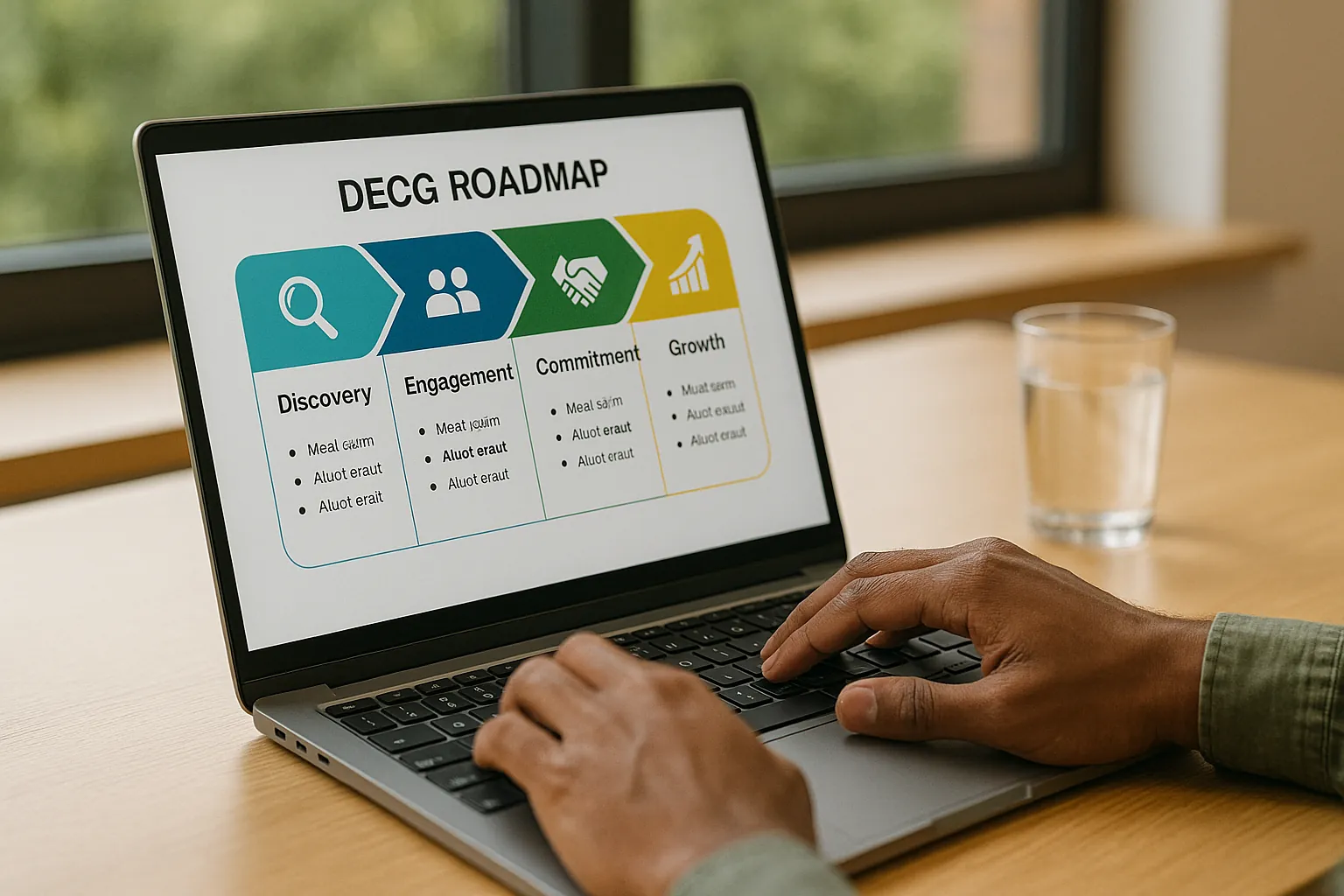
Map the customer experience from first contact to follow-up, including internal handoffs and tools.
Review feedback and interview staff to identify recurring friction points and “silent failures.”
Translate delays, callbacks, repeats, and escalations into time and cost impact.
Deliver a prioritized improvement roadmap and simple metrics/triggers to keep CX stable.
The exact metrics vary by industry, but the pattern is consistent: fewer repeats, fewer complaints, better reviews, and less staff time spent “fixing” the process.
Customers get what they need without multiple calls, visits, or escalations.
Less time stuck in queues and fewer “waiting on” moments.
Consistency creates trust. Trust creates repeat business.
A service business had frequent customer callbacks and inconsistent updates. We mapped the journey, clarified handoffs, and designed a simple status update workflow.
The win wasn’t “be nicer.” The win was “make it predictable.”
Short answers. No corporate poetry.
It can include journey testing, but the real value is mapping the process behind the experience: handoffs, rules, tools, and ownership.
Helpful, not required. We can work with reviews, complaints, call logs, staff feedback, and direct observation.
Typically a few weeks depending on scope, locations, and stakeholder availability. We keep it focused to avoid endless “CX initiatives.”
Usually yes. Customer friction often creates employee friction. Reducing rework and ambiguity helps both.
Journey map, friction analysis, prioritized roadmap, and recommended metrics/triggers. Optional SOP development and training support if you want help implementing.
Only if it’s genuinely needed. We’re vendor-neutral and typically focus on workflow and rules first.